
Home Inspections in Bonney Lake and Lake Tapps: A Buyer’s Guide for Pierce County
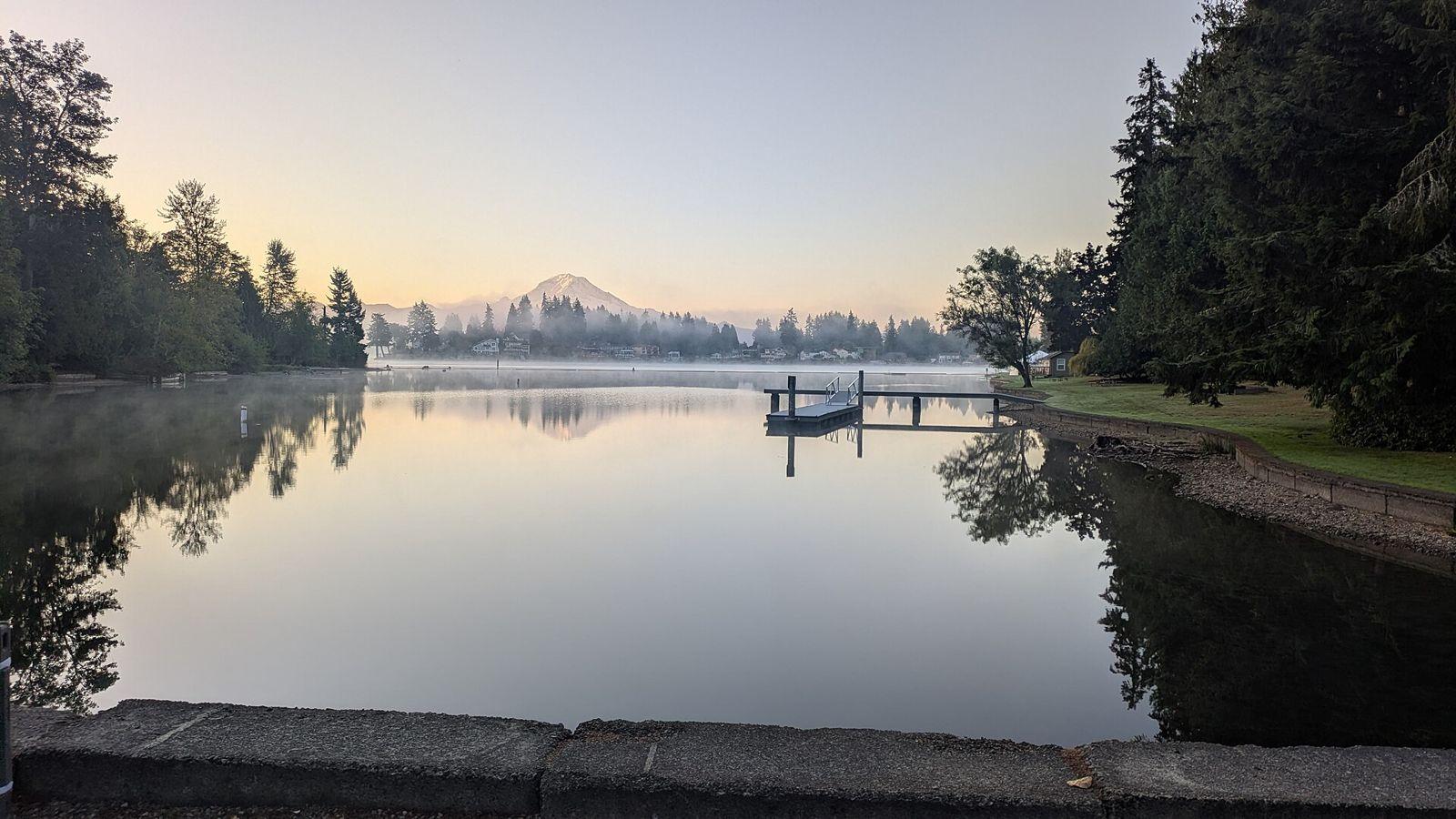
Hero photo: Lake Tapps at sunrise by Laketappsenjoyer via Wikimedia Commons, CC0.
Your offer is accepted, and several clocks start at once. There is the inspection contingency, the seller disclosure review, and on many plateau properties, a septic process run by the county health department.
This guide is for buyers in Bonney Lake, Lake Tapps, Sumner, and greater Pierce County. It covers what a Washington inspection legally includes, which local systems need extra attention, and how to fit it all into your contract deadlines.
Selling instead? Read what home inspectors really look for in Western Washington before you list.
Step 1: Map your deadlines first
Washington purchases run on short, contract-driven timelines. Write down every date before you book anything.
Inspection contingency
- What starts it
- Mutual acceptance
- How long
- The number of days in your inspection addendum
- Source
- Your purchase agreement
Seller disclosure delivery
- What starts it
- Mutual acceptance
- How long
- 5 business days, unless waived or otherwise agreed
- Source
- RCW 64.06.030
Your disclosure review
- What starts it
- Receiving the disclosure
- How long
- 3 business days to accept or rescind in writing, unless otherwise agreed
- Source
- RCW 64.06.030
Septic RSS review
- What starts it
- Seller's RSS application
- How long
- Health Department goal of 10 business days, not guaranteed
- Source
- TPCHD RSS process
- 1Ask your broker to put the exact inspection deadline in writing on the day of mutual acceptance.
- 2Book the general inspector that same day.
- 3Read the seller disclosure before the inspection, so you can point the inspector at anything the seller flagged.
- 4On a septic home, ask right away whether the seller already has a current RSS.
Step 2: Know what a Washington inspection covers
Washington inspectors are licensed. RCW 18.280.070 requires at least 120 hours of approved classroom instruction, supervised field training, and a passing exam.
To renew, Chapter 18.280 RCW requires 24 hours of approved continuing education every two years.
The law defines the job as a visual and noninvasive inspection of readily accessible systems. That means roof, foundation, exterior, heating, air conditioning, structure, plumbing, and electrical, plus certain fire and safety hazards.
Roof, gutters, attic, and ventilation
- Usually needs a separate specialist
- Septic tank and drainfield
Foundation, crawlspace, and structure
- Usually needs a separate specialist
- Side sewer line (sewer scope)
Plumbing, electrical, heating, and cooling
- Usually needs a separate specialist
- Private well water quality and flow
Interiors, fireplaces, and attached garages
- Usually needs a separate specialist
- Docks, lifts, and bulkheads
Site grading and drainage near the house
- Usually needs a separate specialist
- Radon and lead-based paint testing
Step 3: Focus on plateau conditions
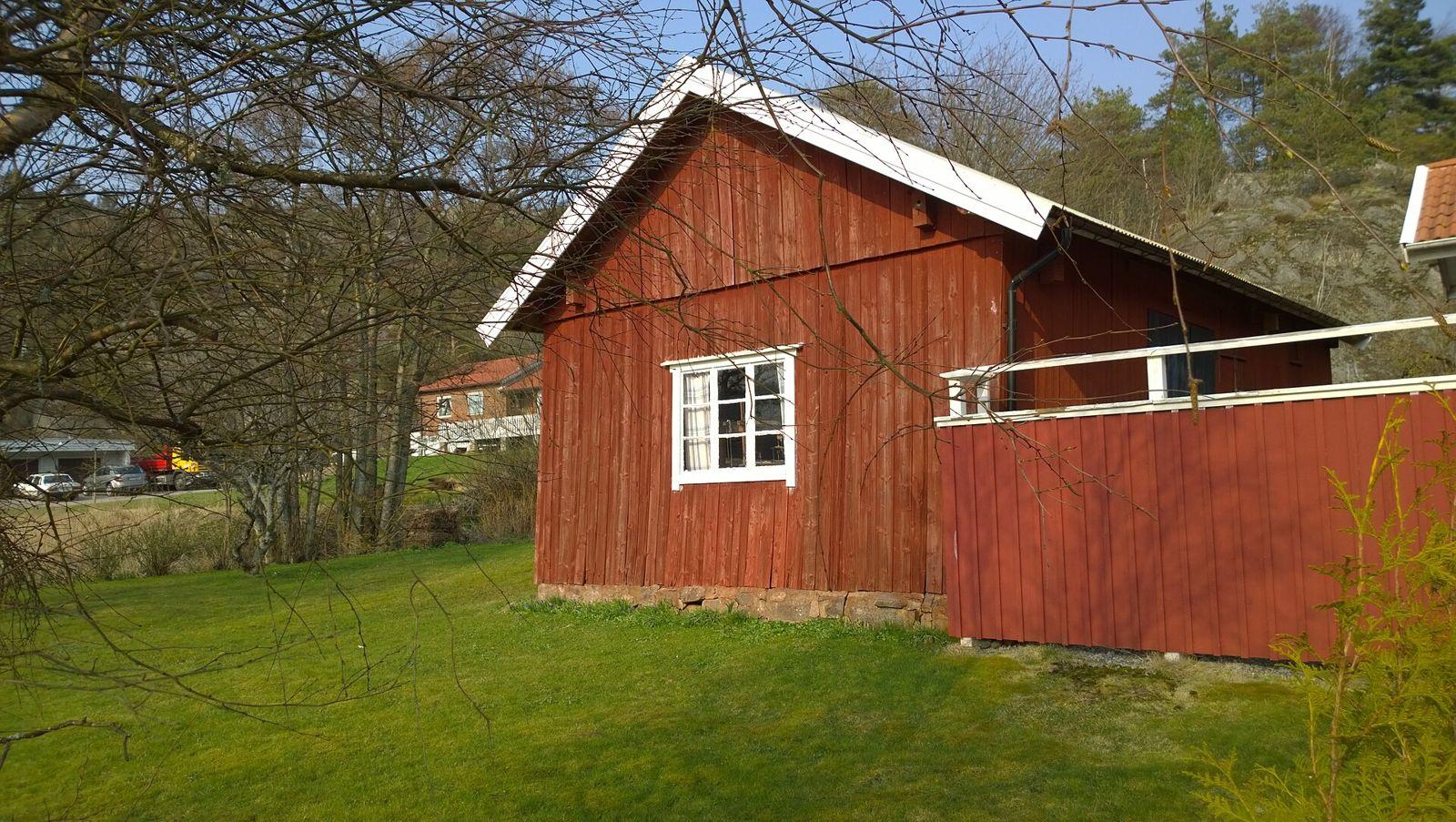
Every house is different, but the same handful of items drive most conversations on Bonney Lake and Lake Tapps homes. Walk the inspector through these, then walk the house with them at the end.
- Crawlspaces: vapor barrier coverage, standing water, fallen insulation, and signs of pests or rot.
- Roofs and gutters: moss, granule loss, flashing, and gutters that dump water at the foundation.
- Grading and retaining walls: how water moves across hillside lots, and whether walls show movement.
- Decks and dock stairs: framing, ledger connections, rails, and stairs down to the water.
- Electrical: panel condition, labeling, and amateur wiring in garages, shops, and boathouses.
- Water heaters and heating: age, venting, seismic strapping, and general condition.
Step 4: Septic, sewer, or well
Do not assume. Homes on the same road can differ, and the listing is not always right.
Septic
- What to order
- Seller's Report of System Status, plus your own questions for the septic company
- Key facts
- Required for Pierce County sales; valid 12 months from issue
Sewer
- What to order
- Sewer scope camera inspection
- Key facts
- Finds roots, sags, offsets, and broken pipe a visual inspection cannot see
Private well
- What to order
- Water quality and flow testing
- Key facts
- Separate from the home inspection; TPCHD also offers a water supply review
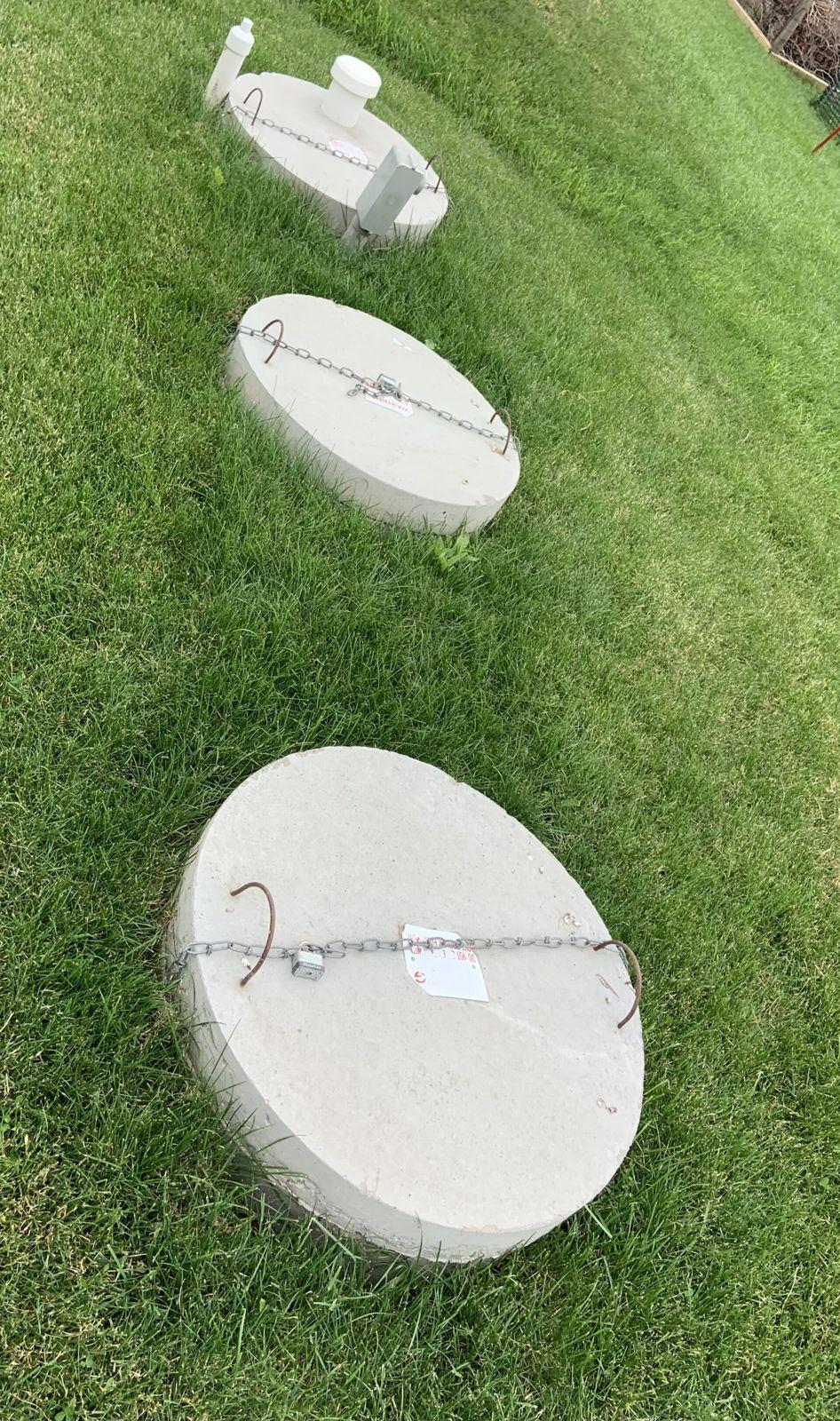
How the septic RSS works
- 1A certified septic company inspects the system and pumps all tanks, per the TPCHD RSS process sheet.
- 2The septic company's inspection is accepted for up to six months before the RSS application.
- 3The Health Department reviews the application and visits the property.
- 4Once issued, the RSS is valid for 12 months.
After you move in, the Health Department's maintenance FAQ calls for inspections every three years for simple gravity or pressure systems. Complex systems need one every year.
For more, see our guide on Pierce County septic systems for buyers and sellers.
Step 5: The Lake Tapps waterfront checklist
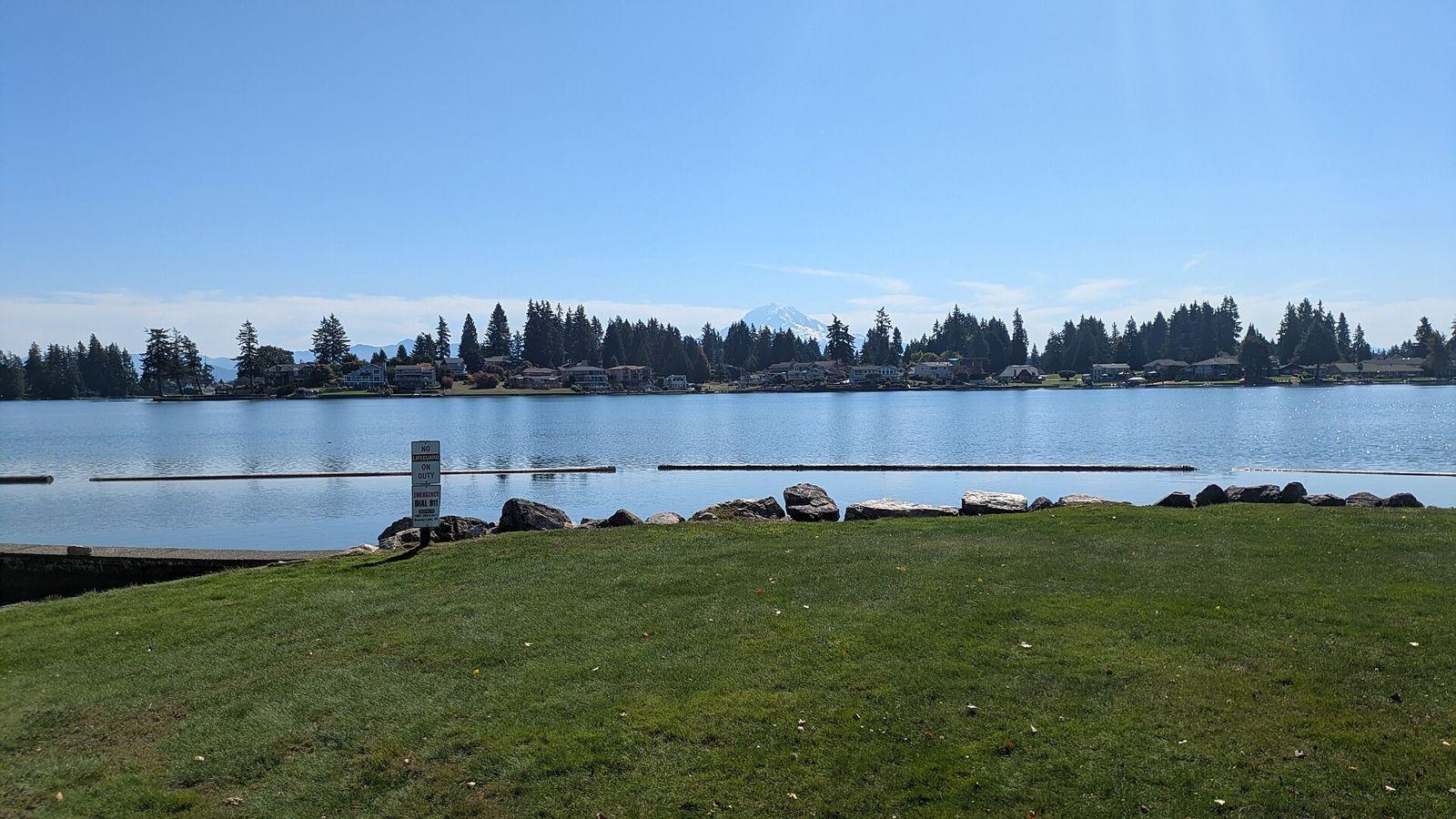
Lake Tapps is a reservoir, and that changes what you are buying. Cascade Water Alliance owns the lakebed and shoreline up to the 545-foot elevation line.
Cascade's Guide to Living on Lake Tapps says summer levels run 541.5 to 543 feet from April 15 to September 30. In fall and winter, levels drop to roughly 533 to 539 feet for dike safety and maintenance.
Step 6: Add the tests the house needs
- Radon: the only way to know a home's level is to test. The EPA radon page explains testing and mitigation.
- Older homes: homes built before 1978 may contain lead-based paint. The EPA lead guidance covers disclosures and testing.
- Specialists on demand: if the general inspector flags a roof, furnace, crack, or drainage issue, a specialist during the contingency gives you a real repair scope.
Step 7: Sort the report, then negotiate
Almost every report is long, even on new construction. Sorting findings into three groups keeps you focused.
Safety and active problems
- Examples
- Active leaks, unsafe wiring, structural movement, failing septic, unsafe decks
- Typical response
- Repair request, credit, or walk away
Big-ticket items near end of life
- Examples
- Aging roof, furnace, water heater, or dock
- Typical response
- Budget for it and shape your ask
Routine maintenance
- Examples
- Clean gutters, recaulk, extend a downspout
- Typical response
- Good to know, rarely worth renegotiating
Depending on your inspection addendum, your usual options are to accept, request specific repairs, request a credit or price change, or terminate within the window. A short, documented request built around safety and big-ticket items tends to land better than a long list.
Many of our buyers prefer a credit, so they choose who does the work. For the full path from contract to keys, see what happens after an offer is accepted.

This article is general information, not legal, insurance, or inspection advice. Review your purchase agreement with your broker and rely on licensed professionals for findings on a specific property.


Ready to Take Action?
Let's Talk About
Your Home.
Whether you're ready to sell, curious about your home's value, or just have questions — our team is here to help with honest, local expertise in Lake Tapps, Puyallup, Bonney Lake, and across Pierce County.