
Accessory Dwelling Units in Pierce County: What Tacoma and Puyallup Buyers and Sellers Should Check
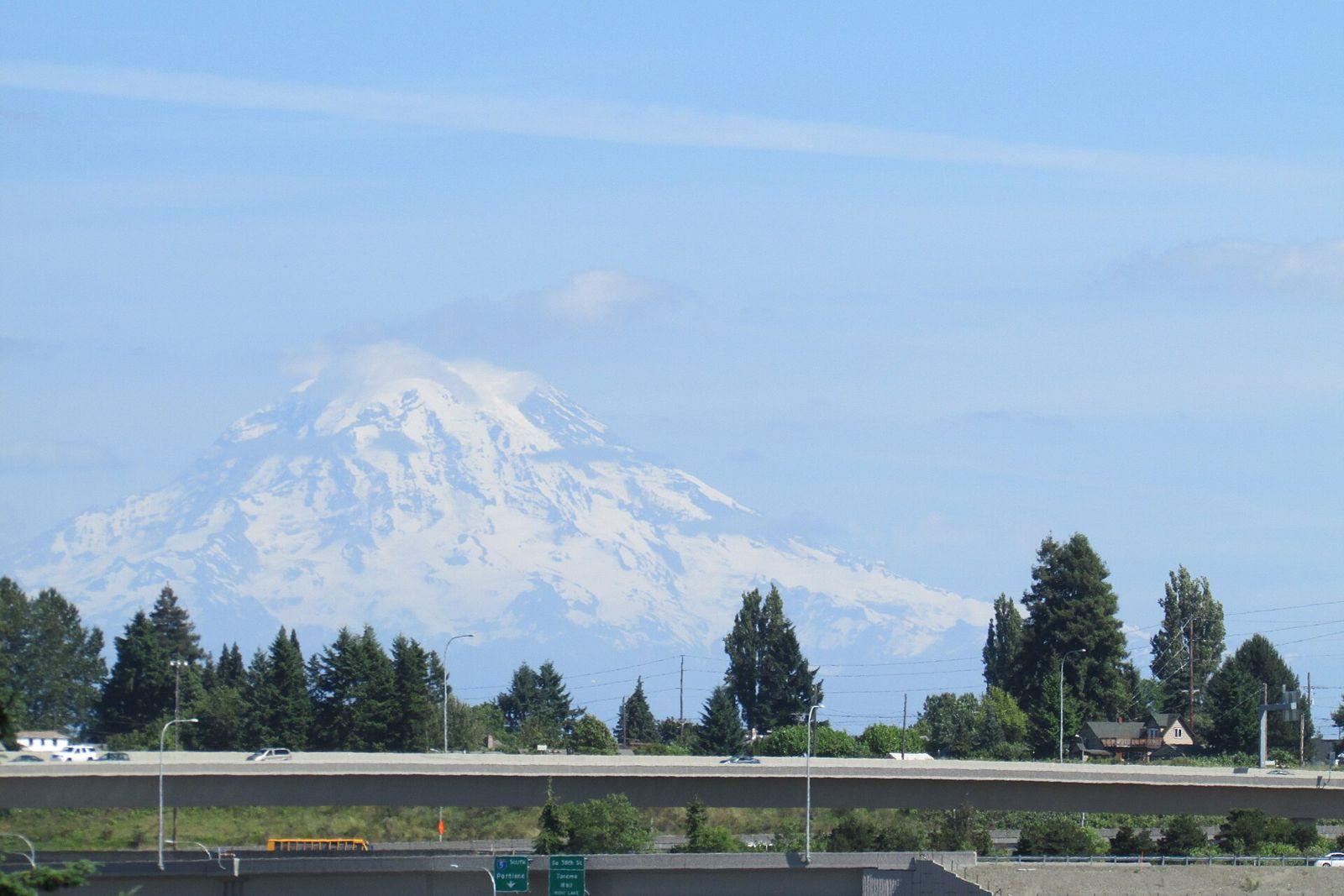
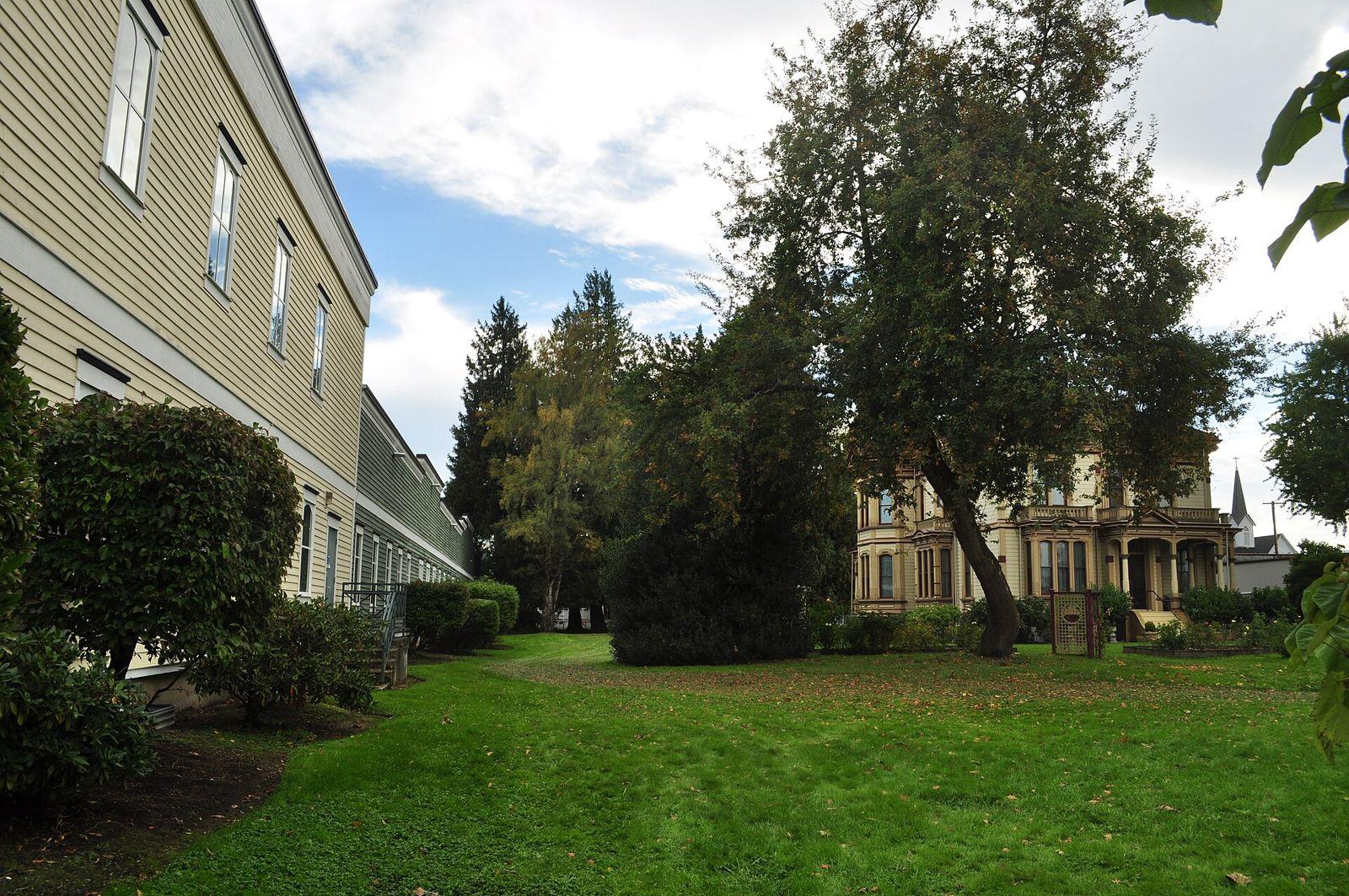
Hero photo: Mount Rainier from Puyallup City Hall by Chris Light via Wikimedia Commons, CC BY-SA 4.0.
An accessory dwelling unit, often called an ADU, is a second, smaller home on the same lot as a main house. In Pierce County it might be a basement apartment, an addition with its own entrance, or a detached cottage.
The rules are not the same everywhere. Tacoma, Puyallup, and unincorporated Pierce County each have their own standards, and Washington law also limits how local governments can regulate ADUs. This guide is for buyers and sellers who need to know what to check before they assume a unit is legal, rentable, or ready to build.
Looking at a vacant lot instead of a house with a possible ADU? Start with our guide to buying land in Pierce County.
Start with the jurisdiction
The first question is not "can I have an ADU?" It is "who has authority over this parcel?" A Puyallup mailing address can still sit in unincorporated Pierce County. A Tacoma house follows City of Tacoma rules, not the county code.
City of Tacoma
- Start here
- Tacoma ADU permit page
City of Puyallup
- Start here
- Puyallup ADU tip sheet
Unincorporated Pierce County
- Start here
- PCC 18A.37.120 and the Pierce County Development Center
Washington state law sets a floor under many local rules. Under RCW 36.70A.681, a city or county covered by that section generally may not require the owner to live on the lot, must allow at least two ADUs in the configurations the statute lists, must allow detached ADUs, and may not set a gross floor area cap below 1,000 square feet.
Step 1: Know the local size and placement rules
Local codes still matter, even with the state baseline. The numbers below come from the official pages and code sections linked above. Confirm them before you design, list, or make an offer, because they can change.
Common size cap
- City of Tacoma
- 1,000 square feet of living area, excluding garages and other non-living areas
- City of Puyallup
- Up to 1,000 square feet per ADU, subject to site limits
- Unincorporated Pierce County
- 1,000 square feet inside the urban growth area; 1,250 square feet outside it
How many
- City of Tacoma
- Allowed on legally established lots as part of new or existing residential development, subject to zoning, including Urban Residential zones under Home in Tacoma
- City of Puyallup
- Up to two on many RS lots that meet the zone's minimum lot area, with other options on smaller lots
- Unincorporated Pierce County
- Two per lot inside the urban growth area; one outside it, with a single-family home
Parking
- City of Tacoma
- Parking is not required for ADUs
- City of Puyallup
- Parking is required, and the number depends on lot size and bedrooms
- Unincorporated Pierce County
- Extra ADU parking is not required within one-half mile of a major transit stop, as defined in state law; other lots follow the county parking section
Tacoma also has placement rules for detached ADUs, including a rear-yard location and setbacks listed on the city page. Puyallup's tip sheet adds fire separation, height, bedroom, and utility details, and it notes that an interior doorway connecting the new space to the main house makes it an addition, not an ADU.
Step 2: Check permits before you trust the listing
A space can look like a complete second home and still be unpermitted. That matters for insurance, rental use, financing, and what you can legally advertise when you sell.
Sellers should be ready to discuss additions and permits in the transaction documents. Our guide to Washington Form 17 seller disclosure covers how sellers report what they know about the property.
Step 3: Plan utilities, access, and use
Permits are only part of the work. Water, sewer or septic, power, parking, and access all have to support a second household.
- 1Confirm whether the ADU needs a separate water meter or can share the existing service. Puyallup's tip sheet, for example, requires separate meters and service lines for detached ADUs on city water.
- 2Ask how sewer or septic capacity is measured. A second kitchen and bedroom can change what a system is approved for.
- 3Check parking and driveway access against the local standard, not against what fits today.
- 4If you plan to rent the unit, read any HOA rules as well as city or county rental rules. State law limits owner-occupancy requirements from the city or county for an ADU itself, but a private covenant can still restrict rentals. In Tacoma, short-term rentals are allowed only if the owner occupies the primary dwelling or the ADU, according to the city ADU page.
Rural and fringe lots need extra time. If you are also evaluating land, wells, or septic feasibility, use the land buying checklist alongside this guide.
Step 4: Build the ADU question into the purchase or sale plan
For buyers, the ADU should be part of inspection, appraisal, and financing conversations, not a surprise after closing. For sellers, a permitted, well documented unit is easier to explain than an informal conversion.
- Get a current value picture with a free home evaluation, and say if the property includes a permitted ADU.
- If you are selling, review seller closing costs so the net sheet reflects the whole property.
- Browse homes in Puyallup or Tacoma, or see current listings.
FAQ
Can I rent an ADU if I do not live on the property?
State law says a city or county covered by RCW 36.70A.681 may not require the owner to live on the lot as a condition of having an ADU. Private HOA rules, loan conditions, and insurance can still limit rentals. Tacoma also requires the owner to occupy the primary dwelling or the ADU if the unit is used as a short-term rental, per the city ADU page.
Does a finished basement automatically count as an ADU?
No. In Puyallup, for example, the space must meet the city's ADU definition, including an independent cooking area, and an interior connecting doorway can make it an addition instead. The unit also needs the right permits.
Do I need a building permit to add an ADU?
Yes, in the jurisdictions covered here. Tacoma says construction permits are required to create, convert, or legalize an ADU. Unincorporated Pierce County says the owner must apply for a building permit.
Will an ADU raise my home's value?
It can, especially if it is permitted and in good condition, but there is no single markup. The legal status, layout, parking, and local demand all matter. Ask for a written evaluation that treats the ADU as its own feature.
This article is general information, not legal, tax, or design advice. ADU rules and permit processes change, and every parcel is different, so confirm your plans with the city or county that has jurisdiction, and with qualified professionals, before you build, list, or buy.
Keep Reading
More Insights.
Buying a Home in Pierce County With an FHA Loan: What Tacoma and Puyallup Buyers Should Check
Earnest Money in a Pierce County Home Purchase: What Tacoma and Puyallup Buyers Should Know
Flood Insurance and FEMA Flood Zones in Pierce County: What Tacoma and Puyallup Buyers and Sellers Should Check
Ready to Take Action?
Let's Talk About
Your Home.
Whether you're ready to sell, curious about your home's value, or just have questions — our team is here to help with honest, local expertise in Lake Tapps, Puyallup, Bonney Lake, and across Pierce County.