
Flood Insurance and FEMA Flood Zones in Pierce County: What Tacoma and Puyallup Buyers and Sellers Should Check
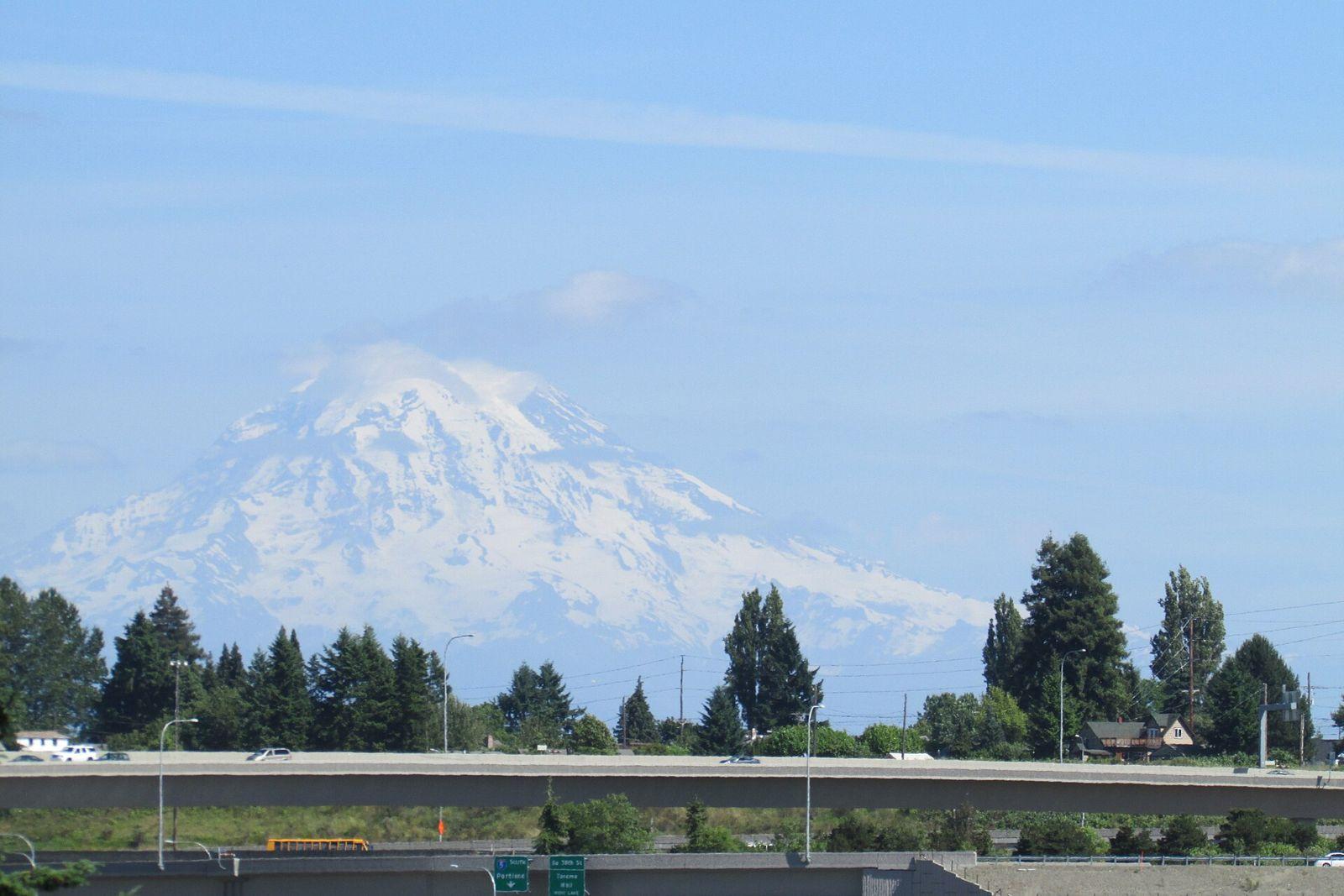
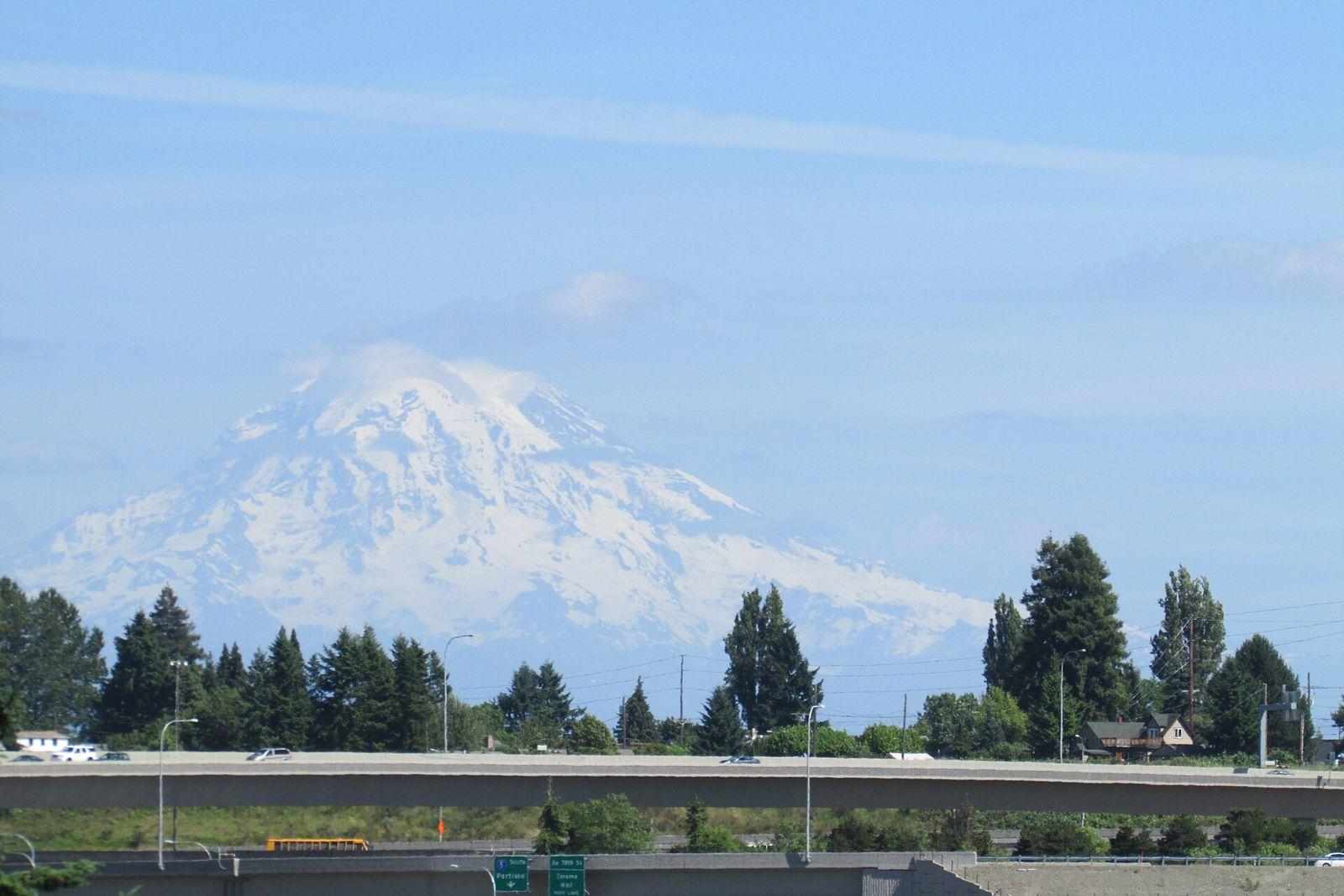
Hero photo: Mount Rainier from Puyallup City Hall by Chris Light via Wikimedia Commons, CC BY-SA 4.0.
A flood zone designation can change a buyer's monthly payment, a lender's conditions, and what a seller has to explain about the property. In Pierce County, that question comes up often along the Puyallup River valley, near tributary creeks, and in some coastal or low-lying areas around Tacoma.
The first step is to check the exact address, not the neighborhood name. Flood maps and insurance rules are parcel-specific, and standard homeowners insurance usually does not pay for flood damage.
If you are looking at land rather than an existing house, also use our guide to buying land in Pierce County.
Start with the current map for the exact address
A listing, a prior owner's memory, or a nearby home's insurance quote is not a substitute for the current map. Flood Insurance Rate Maps can be revised, and a property can sit just inside or just outside a mapped high-risk area.
- What it tells you
- The current Flood Insurance Rate Map for an address, which lenders use when a loan is federally backed
Pierce County FEMA flood resources
- What it tells you
- How the county uses FEMA maps, and that local data can show a greater regulated risk than the FEMA map alone
Pierce County flood preparedness
- What it tells you
- How to request a free property flood-risk map and where to start on flood insurance questions
City of Puyallup flood hazard areas
- What it tells you
- That Puyallup participates in the National Flood Insurance Program and that properties in special flood hazard areas with federally backed mortgages require flood insurance
The City of Puyallup also notes that owners in the Puyallup River valley or near tributary creeks should review the maps, and that flood insurance is recommended for other properties in mapped hazard areas even when FEMA does not require it. A lender may still require a policy.
Step 1: Know when insurance is required, and when it is still worth pricing
FloodSmart says that in communities that participate in the National Flood Insurance Program, flood insurance is mandatory for properties in high-risk flood zones if the mortgage is government-backed. Pierce County says it currently participates in that program, and Puyallup says it participates as well.
That requirement is about the property and the loan, not about whether the seller ever saw standing water in the yard. A home can be in a Special Flood Hazard Area even if it has not flooded during the current owner's time there.
Outside high-risk zones, a lender may not require a policy, but the risk does not disappear. FloodSmart reports that from 2014 to 2024, nearly one-third of National Flood Insurance Program claims came from outside high-risk flood areas, and it recommends coverage even when it is not required. The Washington Insurance Commissioner makes the same point: flood insurance can still be a smart purchase outside high-risk zones.
Step 2: Get a quote and read what a policy actually covers
A zone label is not a premium. Ask an insurance agent or use official quoting tools from the National Flood Insurance Program, and compare that number against your budget before you remove contingencies.
The Washington Office of the Insurance Commissioner summarizes important National Flood Insurance Program limits and timing rules:
- For a standard policy, coverage limits include $250,000 on the home and $100,000 on personal property in the home. Detached buildings and their contents are not covered under those standard home limits.
- Coverage generally starts 30 days after the policy is written, unless the policy is required for a mortgage.
- If you need more coverage than those limits, you may be able to buy additional flood coverage. Confirm that with a licensed agent.
Those figures come from the commissioner's flood insurance page. Confirm current limits and waiting periods when you request a quote, because program details can change.
Step 3: Build the flood question into the offer, the disclosure, and the sale plan
For buyers, flood status should be part of inspection, lending, and insurance conversations, not a surprise after the appraisal. For sellers, a clear map printout, an elevation certificate if you have one, and an honest Form 17 file are easier to explain than a last-minute insurance condition.
- 1Put the address into the FEMA map search and note the flood zone shown on the current map.
- 2Ask the city or county whether any extra local floodplain standard applies to the parcel.
- 3Collect quotes and documents before the inspection deadline, including any prior claims the seller has disclosed.
- 4If you are selling, be ready to talk about flood insurance the way a typical financed buyer will encounter it, and review seller closing costs so the net sheet is realistic.
If you need a current value picture, start with a free home evaluation. You can also browse homes in Puyallup or Tacoma, or see current listings.
FAQ
Can a house outside a high-risk zone still flood?
Yes. FloodSmart and the Washington Insurance Commissioner both note that flooding can happen outside high-risk areas, and that most homeowners policies still do not cover it. The FEMA map is a starting point, not a guarantee.
Who requires flood insurance, the city or the lender?
The mandatory purchase rule described by FloodSmart applies when a property is in a Special Flood Hazard Area and the mortgage is government-backed. A lender can also require coverage in other cases. Local governments use flood maps to regulate development, and the city or county may have additional standards, but the insurance requirement for a loan is usually a lender and federal program issue.
How long does it take for a flood policy to start?
The Washington Insurance Commissioner says National Flood Insurance Program coverage generally begins 30 days after the policy is written, unless the policy is required for a mortgage. Do not assume you can buy a policy the day before a closing or the day before a storm and have it apply immediately.
Will flood insurance automatically raise or lower the home's value?
There is no single markup or discount. The legal status of the zone, the cost of a policy, the elevation of the house, and buyer demand all matter. Ask for a written evaluation that treats flood zone and insurance as their own features.
This article is general information, not legal, insurance, lending, or design advice. Flood maps, insurance rules, and local floodplain standards can change, and every parcel is different. Confirm the current map, quote, and permit requirements with FEMA, your insurer, your lender, and the city or county that has jurisdiction before you buy, list, or build.
Ready to Take Action?
Let's Talk About
Your Home.
Whether you're ready to sell, curious about your home's value, or just have questions — our team is here to help with honest, local expertise in Lake Tapps, Puyallup, Bonney Lake, and across Pierce County.