
Buying a Home in Pierce County With a USDA Loan: What Tacoma and Puyallup Buyers Should Check
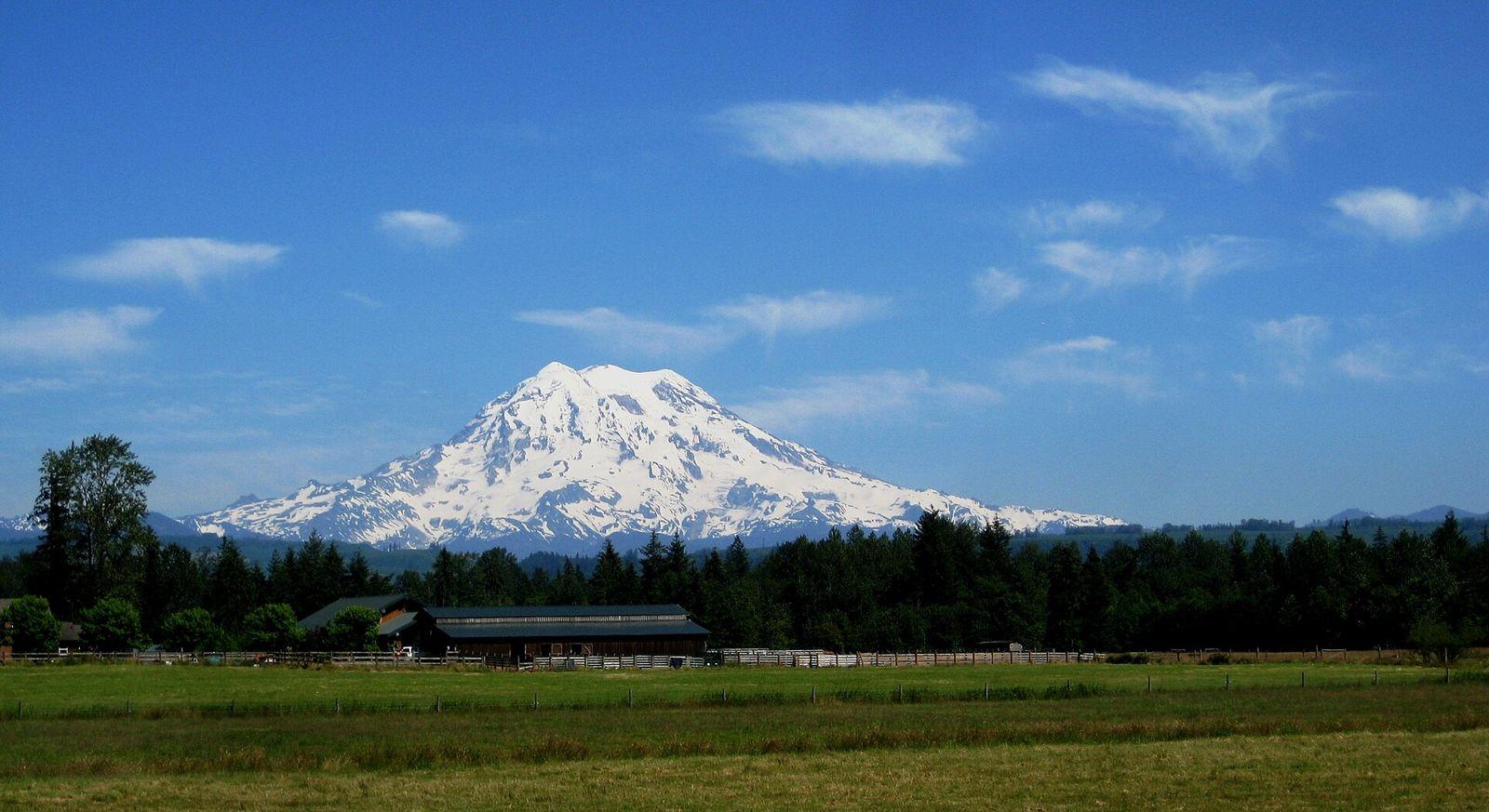
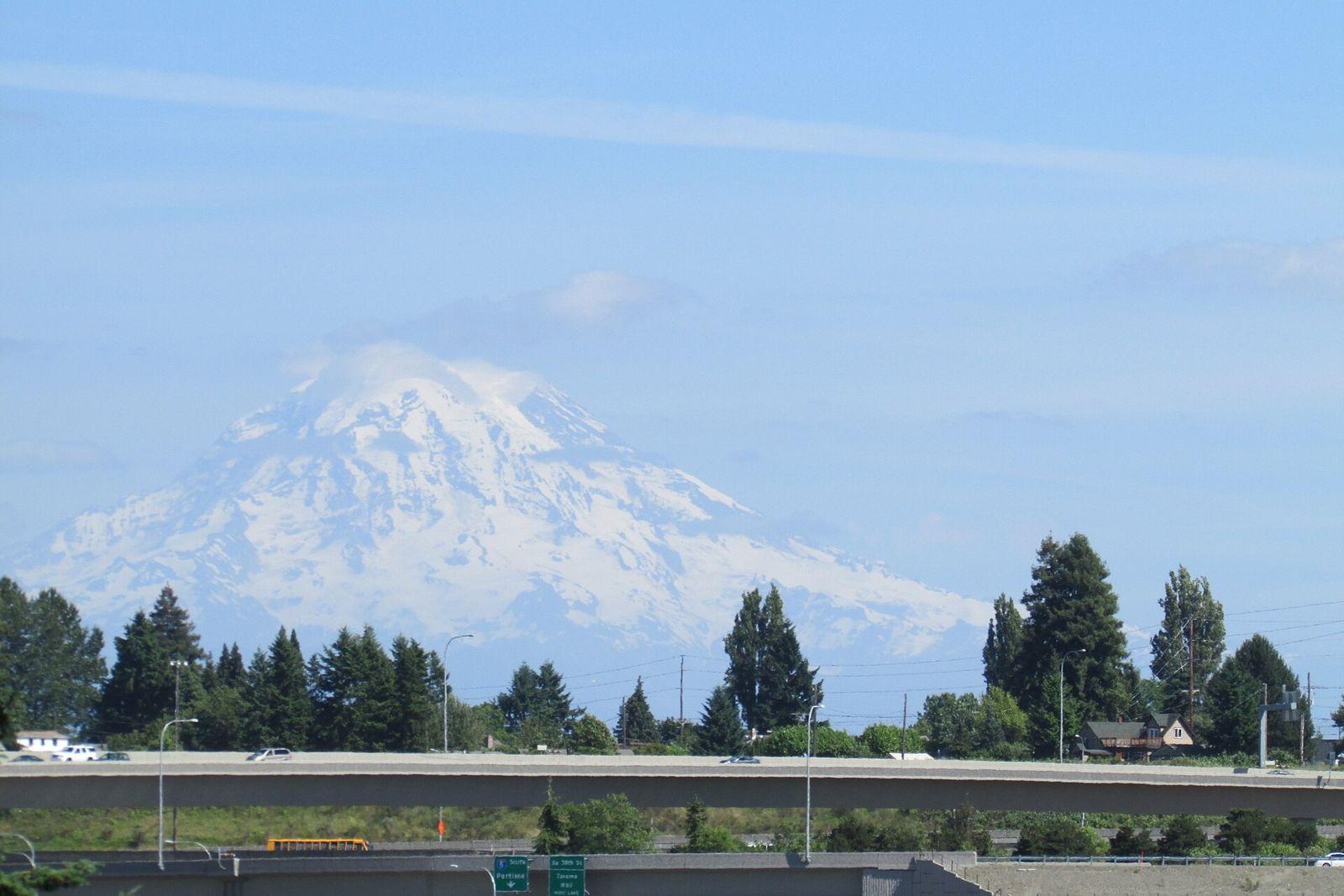
Hero photo: Mount Rainier from Graham by brewbooks via Wikimedia Commons, CC BY-SA 2.0.
A USDA Section 502 guaranteed loan is a mortgage from an approved private lender that USDA Rural Development guarantees. The agency's Single Family Housing Guaranteed Loan Program page says eligible applicants may purchase, build, rehabilitate, improve, or relocate a home in an eligible rural area with 100 percent financing.
For buyers looking at Tacoma, Puyallup, and the rest of Pierce County, the first question is not the down payment. It is whether the specific address sits in a USDA-designated rural area, and whether household income is within the official moderate income limit.
If you are still mapping the broader purchase process, start with our first-time home buyer guide for Pierce County. Compare this path with our guide to buying in Pierce County with an FHA loan and, if you have military benefits, our guide to buying near JBLM with a VA loan.
Start with the official map, not a city name
USDA eligibility is an address-level determination, not a citywide label. A house on one street can be eligible when a similar house a short distance away is not, and the official designation can change.
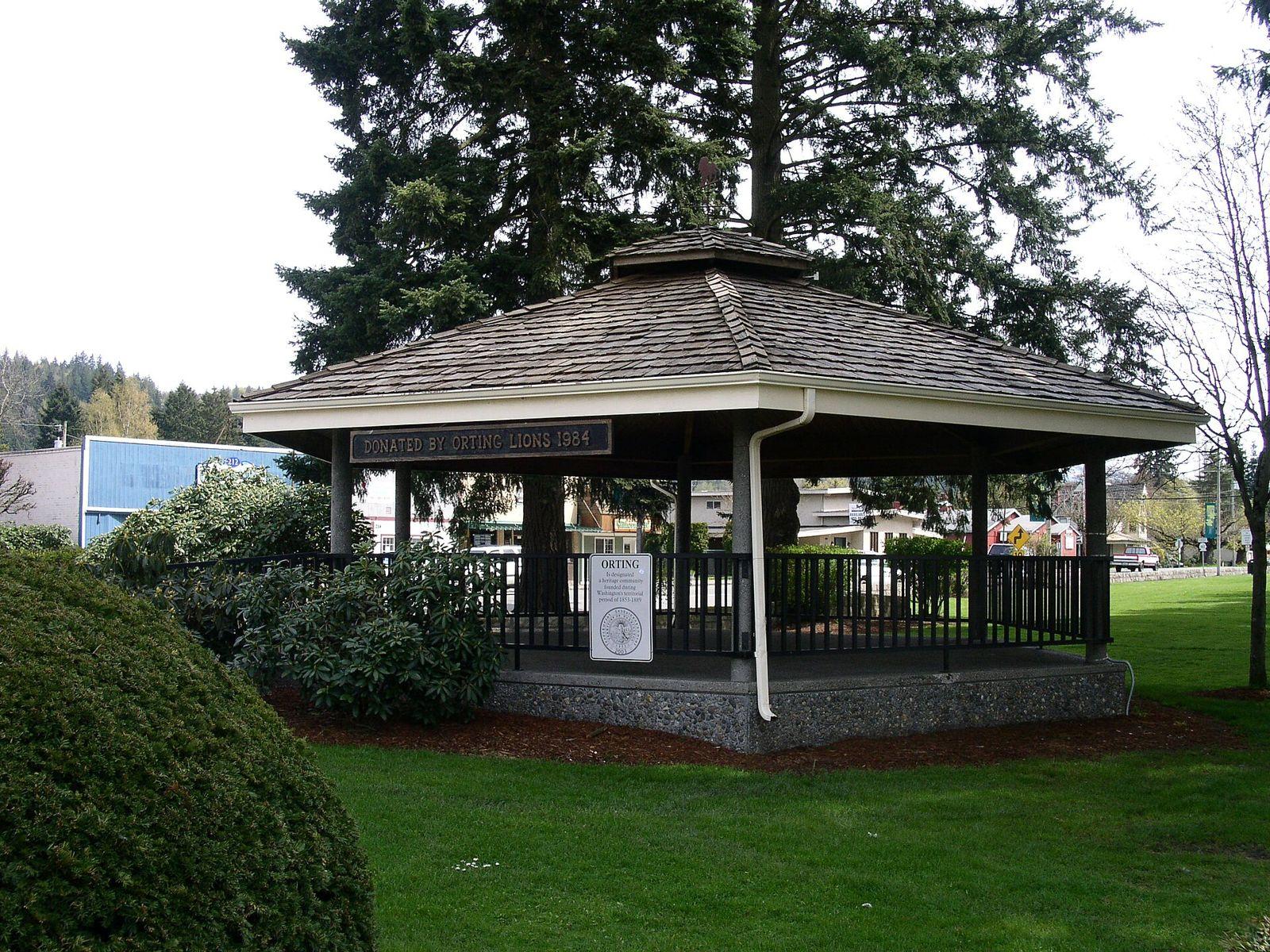
Local Tacoma and Puyallup agents often remind buyers to check addresses in more rural or exurban parts of eastern and southern Pierce County, including communities such as Graham, Orting, and Roy. That is useful shopping advice, not an official determination. Always confirm the exact parcel on USDA's map before you write an offer or rely on 100 percent financing.
Step 1: Confirm the property is in an eligible rural area
7 CFR 3555.201 is direct: Rural Development will only guarantee loans made in rural areas it has designated as rural. If a designation later changes to nonrural, the regulation describes limited exceptions, such as honoring an existing conditional commitment, but a new search should still start with the current map.
Is this address in a designated rural area?
- Official source
- USDA property eligibility map
- What it tells you
- Eligible or ineligible for a guaranteed loan at that exact location
What are the current income limits?
- Official source
- USDA guaranteed loan income limits map and the eligibility site's income tools
- What it tells you
- The official moderate income limit by state, county, and household size
Who can originate the loan?
- Official source
- Approved lender list and the program page
- What it tells you
- Lenders currently active in the program, which you can compare
Densely developed parts of Tacoma and other Pierce County cities are often outside the eligible area, but you should not guess from how a neighborhood looks. The official map is the source that matters.
Step 2: Confirm household income against the official limit
Income eligibility is a household test, not only a test of the people who will sign the note. The official program page says applicants cannot exceed 115 percent of median household income. 7 CFR 3555.151 adds that, at the time of loan approval, the household's adjusted income must not exceed the applicable moderate income limit, and that the lender must document that income.
USDA publishes those limits in its official income limits map. The figures vary by county and household size, and they are updated. Use the current official table for Pierce County rather than a remembered number from a prior year, and have your lender calculate adjusted income under the program rules.
USDA guaranteed loans are not limited to first-time buyers. The same regulation allows current homeowners to be eligible when specific conditions are met, including that the new home will be the primary residence and that the applicants are not financially responsible for another Agency guaranteed or direct home loan by the time the new loan closes. Ask the lender to apply those official tests to your situation instead of assuming you are automatically in or out.
Step 3: Plan 100 percent financing, guarantee fees, and cash to close
The official program page says eligible applicants may finance 100 percent of a qualifying purchase, and that closing costs and reasonable, customary expenses may be included in the transaction. USDA's guaranteed loan handbook, HB-1-3555, Chapter 16, explains that the maximum loan amount is 100 percent of the appraised value plus the upfront guarantee fee, and that eligible closing costs may be included up to 100 percent of the appraised value.
That still is not a zero-cash closing in every case. You may need earnest money while the sale is pending, plus prepaid taxes and insurance, and any closing costs that cannot be financed. Our earnest money guide explains how that deposit works in a Pierce County purchase.
7 CFR 3555.107 requires a nonrefundable upfront guarantee fee. The lender may pass that cost to the borrower, and the fee may not exceed 3.5 percent of the principal obligation. The same section allows USDA to charge an annual fee of no more than 0.5 percent of the average annual scheduled unpaid principal balance for the life of the loan, which the lender may also pass through. The current percentages are published in Exhibit K of RD Instruction 440.1 and can change by fiscal year, so confirm them with the lender before you rely on a payment quote.
The official program page says guaranteed loans are offered at a 30-year fixed rate only, and that interest rates are set by individual lenders. USDA encourages borrowers to compare lenders rather than assume one quote represents the program.
Washington down payment assistance may be able to help with cash to close on some first mortgages, including in situations where the purchase itself is already 100 percent financed. Ask a lender whether a Washington State Housing Finance Commission program can be paired with a USDA loan in your case, and review the official Home Advantage page alongside our first-time home buyer guide.
Step 4: Make sure the house and site meet USDA standards
A USDA loan is not only an income and location decision. 7 CFR 3555.151 says the dwelling must be modest, decent, safe, and sanitary, and that applicants must agree and have the ability to occupy it as their principal residence. Rural Development will not guarantee loans for investment properties or temporary, short-term housing.
The official program page lists eligible property types that can include detached and attached homes, condos, planned unit developments, modular homes, and manufactured homes, and it states that the property cannot be income-producing. Confirm project or unit eligibility, especially for a condo or manufactured home, with the lender before you waive a financing contingency.
7 CFR 3555.201 also sets site rules that matter in more rural parts of Pierce County. The site size must be typical for the area, the site must have direct access from a street, road, or driveway, and it must be supported by adequate utilities and water and wastewater systems. The same section says vacant land without eligible residential improvements, or property used primarily for agriculture, farming, or a commercial enterprise, is ineligible. The Agency may require inspections of individual or privately owned water or waste systems.
- 1Check the official eligibility map for the exact address before you write the offer.
- 2Tell the lender the property type early, including condo, manufactured home, or a house on a larger lot.
- 3Keep a financing contingency in the purchase agreement until underwriting, the appraisal, and any required well or septic inspections are clear.
- 4Be ready to address repair or site issues the appraisal or inspections flag, or to renegotiate if the seller will not complete required work.
Step 5: Compare loan types and build USDA into the purchase plan
USDA can be a strong fit when the address is eligible and household income is within the official limit, but it is not the only low-down-payment option in Pierce County. If the map excludes the house you want, or if income is over the moderate limit, an FHA or conventional loan may still work. Eligible military buyers should also compare a VA loan.
7 CFR 3555.151 uses a 29 percent PITI ratio and a 41 percent total debt ratio to measure repayment ability, and it allows exceptions when compensating factors are documented. The monthly calculation of the annual fee is part of the PITI test. Ask your lender to show those ratios on a written Loan Estimate, and do not assume a verbal payment quote is complete.
Browse homes in Graham, Orting, Roy, Puyallup, or Tacoma, see current listings, and use our buyer services when you are ready to write an offer. If you also need a current value picture on a home you already own, start with a free home evaluation.
FAQ
Is a USDA loan only for farms or very remote properties?
No. Eligibility is based on USDA's official rural area designation, not on whether the property is a working farm. In fact, property used primarily for agriculture, farming, or a commercial enterprise is ineligible under 7 CFR 3555.201. Check the address on the official map.
Do I have to be a first-time buyer?
No. The official program rules do not limit guaranteed loans to first-time buyers. Current homeowners may qualify when the conditions in 7 CFR 3555.151 are met. The home financed with the USDA loan must be your principal residence.
Is there a minimum credit score?
The official program page says the guaranteed loan program has no credit score requirement, but that applicants are expected to demonstrate a willingness and ability to handle debt. Lenders and investors can still add their own score or documentation overlays, so ask the lender what it will actually require.
Can I use a USDA loan on a condo or a manufactured home?
They can be eligible if they meet program property requirements. The official program page lists condos, planned unit developments, modular homes, and manufactured homes among possible property types. Confirm eligibility for the specific unit or project with the lender before you waive a financing contingency.
What if the address I want is not in an eligible area?
Use a different loan type for that house, or keep shopping in locations the official map treats as eligible. An FHA loan is not limited to rural areas in the same way, and a VA loan may be a better fit for eligible military buyers.
Is the guaranteed loan the only USDA home loan?
No. USDA also administers a Section 502 Direct loan program for qualifying low- and very-low-income applicants in eligible rural areas. That program is a different application path, with its own income limits, and it is worth asking Rural Development or a housing counselor about if a guaranteed loan is not a fit.
This article is general information, not lending, legal, or tax advice. USDA eligibility maps, income limits, guarantee fees, and property rules can change, and lenders may add their own requirements. Confirm the current address eligibility, income limit, fees, and property standards with an approved lender and with USDA before you write an offer or remove a financing contingency.
Keep Reading
More Insights.
Buying a Home in Pierce County With an FHA Loan: What Tacoma and Puyallup Buyers Should Check
Earnest Money in a Pierce County Home Purchase: What Tacoma and Puyallup Buyers Should Know
Flood Insurance and FEMA Flood Zones in Pierce County: What Tacoma and Puyallup Buyers and Sellers Should Check
Ready to Take Action?
Let's Talk About
Your Home.
Whether you're ready to sell, curious about your home's value, or just have questions — our team is here to help with honest, local expertise in Lake Tapps, Puyallup, Bonney Lake, and across Pierce County.